
Home Addition HVAC Installation Done Right
Adding a room to your home is exciting, but making sure it stays comfortable year-round takes more than running a vent to the nearest duct. Keystone Heating and Air specializes in home addition HVAC installation across the Wasatch Front, from West Jordan and Sandy to high-altitude communities like Heber and Kamas. We size, design, and install heating and cooling systems built for your specific addition, so you get real comfort without overloading your existing equipment.
Wasatch Front Specialists
Your Existing System May Not Be Enough
One of the most common mistakes in home addition heating and cooling is simply tying the new space into the existing system without checking whether it can handle the added load. An undersized system will cycle harder, wear out faster, and still leave your addition too hot in summer and too cold in winter. Our team performs a full load calculation before recommending any approach, factoring in square footage, insulation, window exposure, and, for mountain-area homes, the added demands of high-altitude climates above 5,800 feet. We give you a clear, honest picture of what your current system can support and what it cannot.
The Right Fit for Every Addition
Ductwork Installation, Mini Splits, or a Full HVAC System Expansion
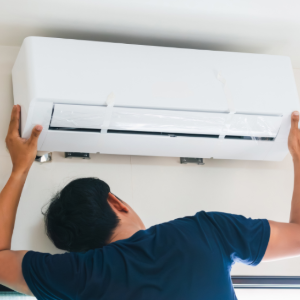
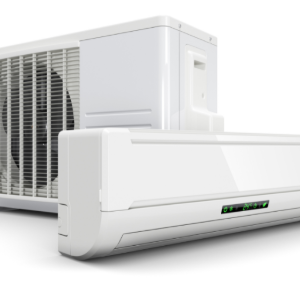
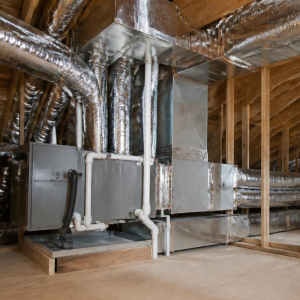
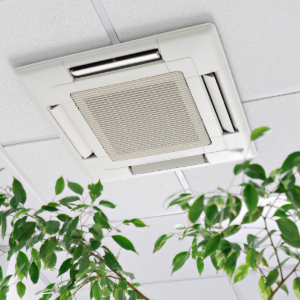
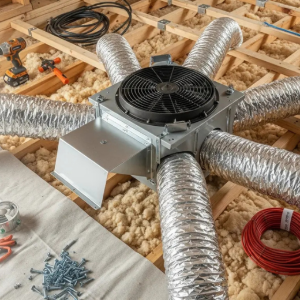
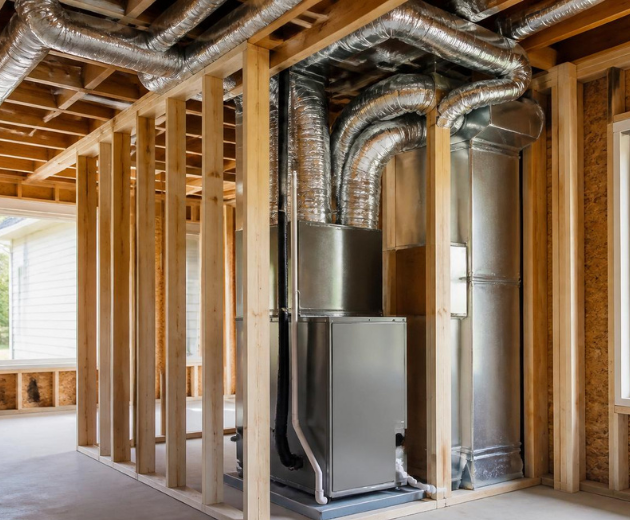
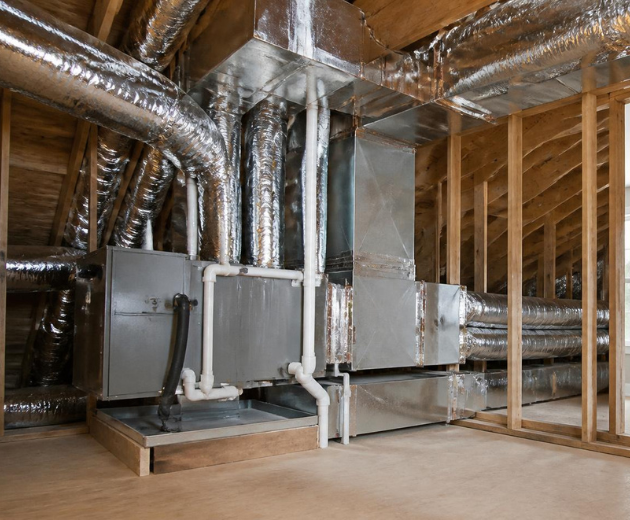
Every home addition is different, and so is the right solution. For additions with access to existing ductwork, we design and install properly sized duct extensions that deliver balanced airflow without robbing comfort from the rest of your home. For master suites, detached garages, basement finishes, or spaces where running new ductwork is impractical, a ductless mini split gives you precise, zoned control with no major structural work. When the addition significantly increases the home's square footage, a full HVAC system expansion with upgraded equipment may be the most cost-effective long-term answer. We walk you through each option in plain language, with no pressure, so you can make the right call for your home and your budget.
No Guesswork, No Surprises
How We Handle Your Addition HVAC Project
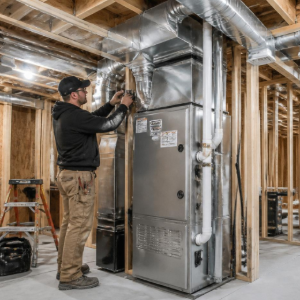
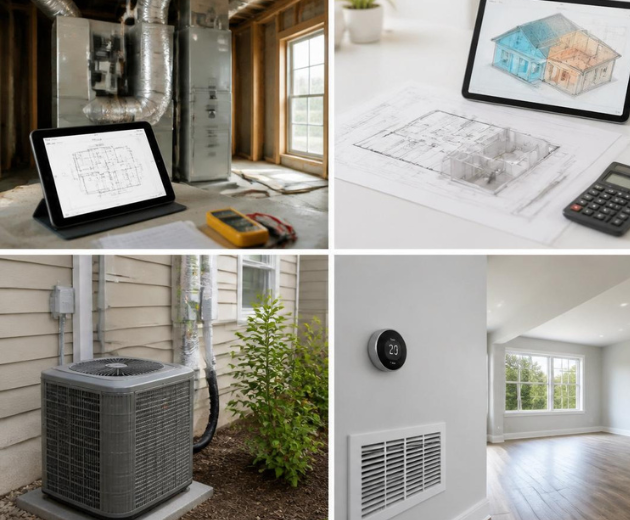
We follow a six-step process on every project. We start by assessing your current system, ductwork, and electrical components. Then we recommend the right approach based on real load calculations, not guesswork. We handle all municipal permit coordination so you do not have to chase paperwork. Our crew installs your new heating and cooling with precision, verifies every component through a full cycle test, and walks you through how everything works before we leave. We also help you take advantage of utility rebates for high-efficiency equipment, handling the paperwork on your behalf. From Sandy and Draper to Midway and Oakley, we have been doing this for over 20 years.
Mountain Climate Expertise
High-Altitude Home Additions Need Specialized Planning
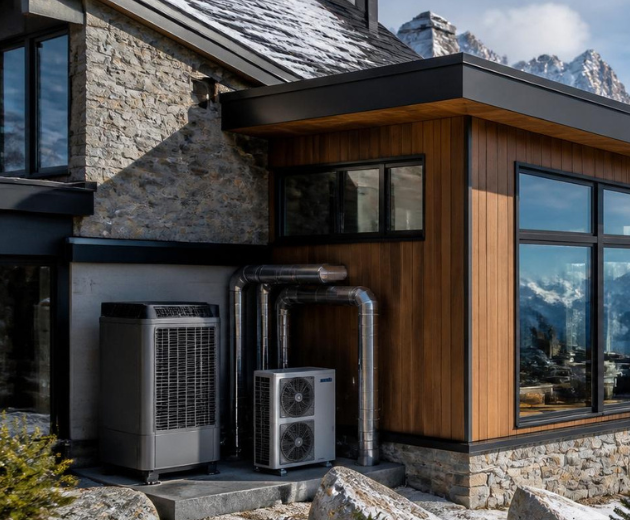
If your home is in Heber City, Kamas, Midway, or anywhere along the Mirror Lake Highway corridor, standard HVAC sizing does not apply. Thinner air at elevation changes how refrigerant behaves and puts extra strain on blower motors and condensers. Equipment that performs well at valley elevations can underperform significantly in mountain communities. Keystone's team has spent over two decades working in these conditions, and we size and specify every addition HVAC system to handle the temperature swings, snow-load considerations, and heating demands that come with mountain living. You get a system built for where you actually live, not a one-size-fits-all install from a contractor who has never worked above 5,000 feet.
Your Questions Answered
Home Addition HVAC: Common Questions
Can my current furnace and AC handle a home addition, or will I need new equipment?
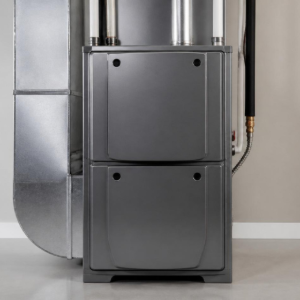
It depends on the size of the addition and the current capacity of your system. Many homes on the Wasatch Front already have equipment running close to its rated load, so adding square footage without a proper assessment can lead to uneven temperatures, higher utility bills, and premature equipment wear. We perform a full load calculation before recommending anything. Sometimes a duct extension is all you need; other times a system upgrade or a ductless mini split for the new space is the smarter long-term investment. We give you an honest answer either way.What is the difference between extending existing ductwork and installing a mini split for my addition?
Extending ductwork works well when your existing system has enough capacity and the layout allows for proper airflow to the new space. It integrates the addition into your home's central heating and cooling. A ductless mini split is a better fit when ductwork installation is impractical, such as in a detached addition, a master suite above a garage, or a basement finish. Mini splits also give you independent temperature control for that zone, which can improve comfort and reduce energy use. We assess both options and recommend what makes the most sense for your specific project.Do I need a permit for HVAC work tied to a home addition in Utah?
Yes, in most Utah municipalities HVAC work tied to a home addition requires a mechanical permit. This includes new ductwork, equipment installation, and system modifications. Keystone handles all permit coordination on your behalf, so you do not have to navigate the paperwork or scheduling with the city. We have been managing this process for clients across West Jordan, Sandy, Draper, Heber, and other Wasatch Front communities for over 20 years. Proper permitting also protects you during future home sales and ensures the work passes inspection.How does living at a higher elevation like Heber or Kamas affect HVAC sizing for an addition?
At elevations above 5,800 feet, air is thinner, which affects how refrigerant moves through a cooling system and how hard a blower motor has to work to circulate air. Standard sizing charts are calibrated for lower elevations and can result in undersized equipment for mountain homes. This means your system may struggle during peak summer heat or deep winter cold if it is not properly specified for altitude. Keystone has worked in Heber, Kamas, Midway, and the surrounding mountain valleys for over 20 years and accounts for these factors in every load calculation we perform.Are there utility rebates available for high-efficiency HVAC equipment installed in a home addition?
Yes, high-efficiency heating and cooling equipment often qualifies for utility rebates in Utah. The application process can be time-consuming and easy to get wrong. Keystone manages all rebate paperwork on your behalf as part of the project. We identify which equipment qualifies, complete the required documentation, and submit it for you. This is part of how we act as a financial advocate for our clients, making sure you capture every available incentive without the administrative headache.How long does a typical home addition HVAC installation take to complete?
For many home additions, especially those using a ductless mini split system, installation can often be completed in a single day. More involved projects requiring new ductwork, system upgrades, or expanded HVAC capacity may take longer depending on the scope of work. We coordinate equipment delivery, permit scheduling, and installation timing to help keep your project on track and minimize disruption to your household. Before work begins, you'll receive a clear project plan so you know what to expect every step of the way.Does Keystone work on all types of home additions, including basement finishes and garage conversions?
Yes. We work on a wide range of addition types, including room additions, basement finishes, garage conversions, master suite builds, and new construction projects. Each type presents different challenges in terms of ductwork routing, equipment sizing, and zoning. For example, a basement finish in a West Jordan ranch home has very different requirements than a master suite addition on a Heber mountain property. We assess each project individually and recommend the heating and cooling approach that fits the specific layout, climate zone, and budget.How does Keystone's pricing compare to larger HVAC companies for home addition work?
Keystone is locally owned and operated, which means we do not carry the overhead of a large franchise or spend heavily on advertising. That savings gets passed directly to our customers. We have documented cases where our bids came in significantly lower than major regional competitors, with one customer saving $8,000 compared to a bid from a large competitor while receiving higher-efficiency equipment. We do not pad estimates or push unnecessary upgrades. Our goal is to give you the right solution at a fair, transparent price, and to let the quality of our work speak for itself.
Your Questions Answered
Home Addition HVAC: Common Questions
Your feedback helps us continue providing reliable heating and cooling services while helping others choose a team they can trust. If we've worked with you, we'd appreciate you taking a moment to leave us a testimonial.