
VRF System Installation Commercial Properties in Utah
When your business needs precise, energy-efficient climate control across multiple zones, a VRF system installation commercial solution from Keystone Heating and Air is the right call. We design and install variable refrigerant flow HVAC systems for offices, retail spaces, and commercial buildings across the Wasatch Front, including West Jordan, Sandy, Heber, and Kamas. With over 20 years of hands-on experience and a commitment to honest, pressure-free recommendations, we size and calibrate every system to match your building's actual load, not a generic estimate.
Utah's Commercial HVAC Specialists
What Is a Variable Refrigerant Flow System and Why Does It Matter?
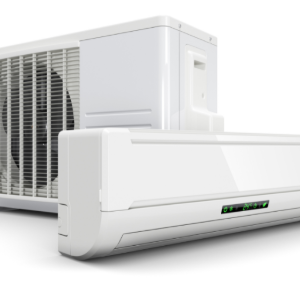
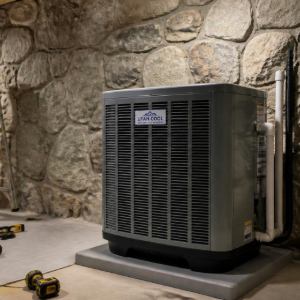
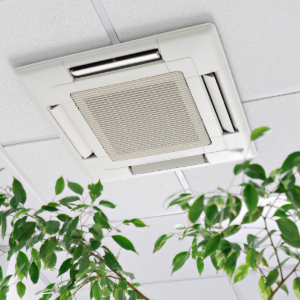
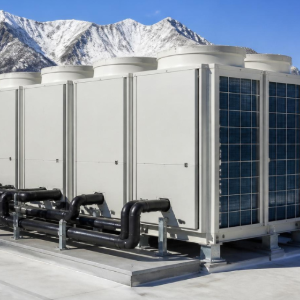
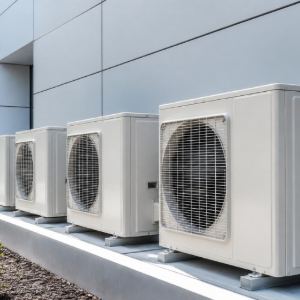
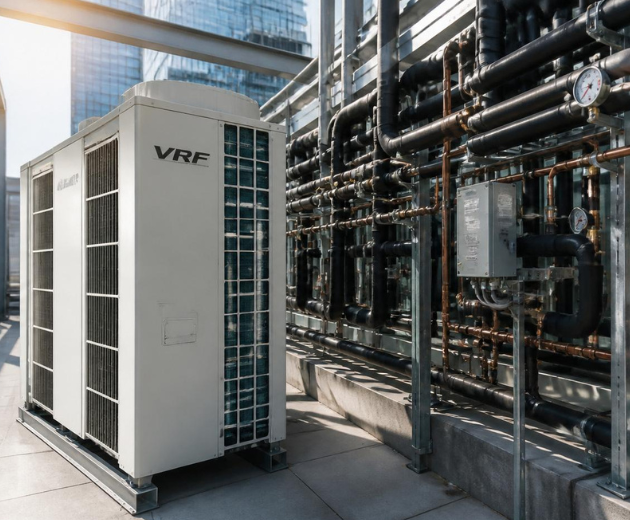
Variable refrigerant flow HVAC technology allows a single outdoor unit to serve multiple indoor units simultaneously, each operating at its own temperature setting. Unlike traditional systems that run at full capacity or not at all, a VRF system modulates refrigerant flow to match the exact demand of each zone. The result is consistent comfort throughout your building, lower energy consumption, and less wear on the equipment. For commercial properties in Utah's high-altitude climate, where temperature swings of 50 degrees or more are common across seasons, this kind of precision is not a luxury. It is a practical necessity for protecting your investment and keeping operating costs in check.
Built for Utah's Climate Demands
High-Altitude VRF Performance Across the Wasatch Front
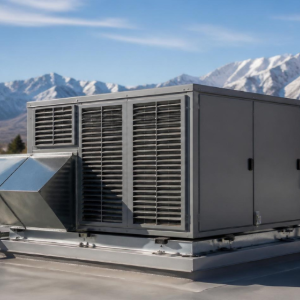
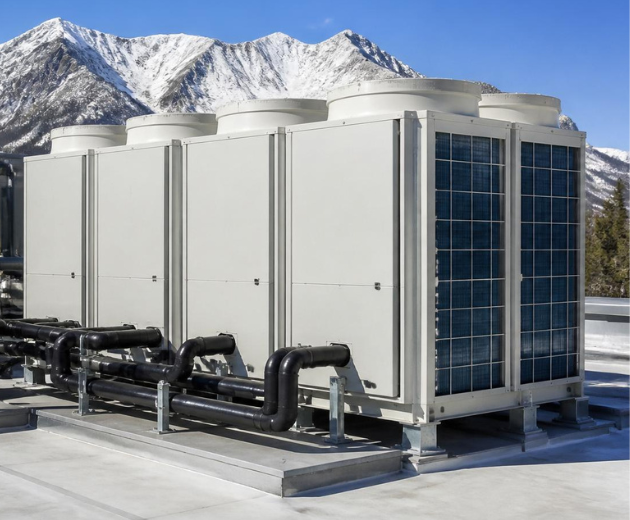
Commercial VRF cooling heating systems installed at elevations above 5,800 feet, such as those in Heber City, Kamas, or Park City, require careful refrigerant calibration and load calculations that account for thinner air. A system sized for sea level will underperform in the mountains. At Keystone, every multi-zone VRF system we install is assessed for the specific altitude, building envelope, and occupancy patterns of your location. We handle the full process: site assessment, equipment logistics, municipal permits, and final cycle testing. Our team also manages utility rebate paperwork on your behalf, so you capture every available incentive without the administrative hassle.
Transparent Process, No Surprises
How Keystone Approaches Every VRF Installation
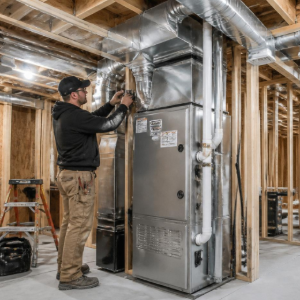
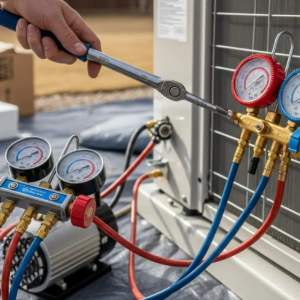
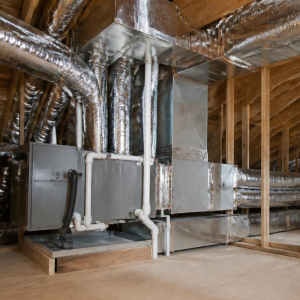
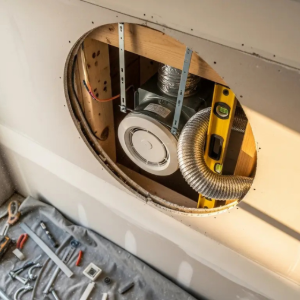
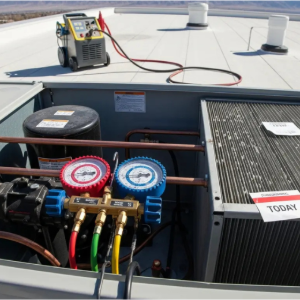
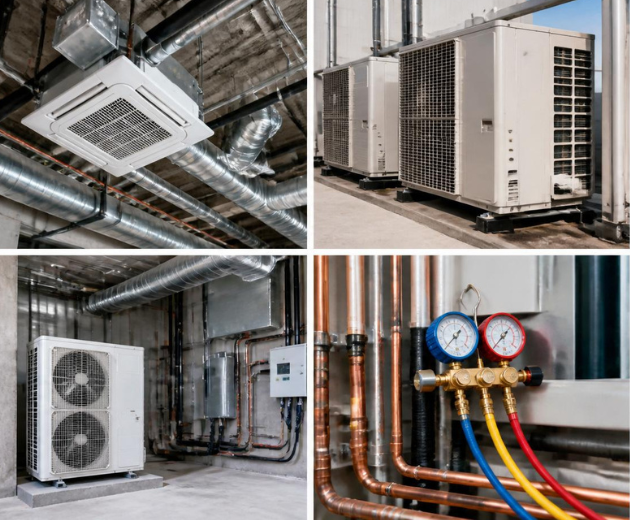
Our six-step process keeps you informed at every stage. We start with a detailed inspection of your existing ductwork, electrical capacity, and building layout. We then provide a plain-language recommendation covering system sizing, zone mapping, and projected efficiency gains. Once you approve the plan, we coordinate all equipment logistics and pull the required city permits. Installation is performed with precision, including ductwork alignment, refrigerant charging, and safety verification. Before we leave, we run a full system cycle test and walk you through how to operate every zone. Post-installation, we offer seasonal maintenance to protect your equipment for the long term. No guessing, no pressure, no hidden fees.
Why Businesses Choose Keystone
Advanced Commercial Climate Control Without the Big-Box Markup
Keystone Heating and Air is locally owned and operated, and we do not inflate equipment costs to fund large advertising budgets. Our advanced commercial climate control solutions are priced fairly, backed by verified customer outcomes, and delivered by a team that explains every recommendation in plain language. One of our customers saved $8,000 compared to a bid from a major regional competitor, while receiving a higher-efficiency system. We bring that same commitment to every commercial VRF project, whether it is a single-floor office in West Jordan, a multi-unit retail center in Sandy, or a mountain lodge near the Jordanelle Reservoir. If you have already received a quote from another contractor, we welcome the comparison.
Your VRF Questions, Answered
Frequently Asked Questions About VRF System Installation
How is a VRF system different from a standard commercial HVAC setup?
A standard commercial HVAC system typically runs at a fixed capacity, cycling fully on or off to maintain temperature. A variable refrigerant flow system modulates how much refrigerant moves to each indoor unit based on real-time demand. This means different zones in your building can be heated or cooled simultaneously at different temperatures, all from one outdoor unit. The practical benefits include lower energy use, quieter operation, and more consistent comfort throughout the space. For multi-room or multi-floor commercial buildings, this level of control is a significant operational improvement over conventional systems.Can a VRF system heat one zone and cool another at the same time?
Yes. Certain VRF system configurations can provide heating in one area of a building while cooling another at the same time, making them an effective solution for properties with varying comfort needs across multiple zones. The right configuration depends on your building's layout, occupancy, and performance goals. Keystone Heating and Air will evaluate your property, explain your options in plain language, and recommend the VRF solution that best fits your project.Does high elevation in areas like Heber or Kamas affect VRF system performance?
It does, and this is a detail many contractors overlook. At elevations above 5,800 feet, air density is lower, which affects how refrigerant behaves and how hard the compressor has to work to move heat. A system sized using standard sea-level calculations will often underperform in mountain climates. Keystone factors altitude into every load calculation and refrigerant charge for installations in Heber City, Kamas, Park City, and surrounding high-elevation areas. This ensures your system delivers rated performance during both summer cooling peaks and winter heating demands, without premature wear on components.How long does a commercial VRF installation typically take?
The timeline depends on the size of the building, the number of indoor units, and whether existing infrastructure like electrical panels or refrigerant lines needs to be upgraded. Smaller commercial installations with a limited number of zones can often be completed in one to two days. Larger multi-floor projects may require several days of work. Keystone coordinates all equipment logistics and permit scheduling in advance to keep the project on track. We provide a clear project timeline during the planning phase so you can prepare your staff and minimize disruption to daily operations.Does Keystone handle the permit process for commercial VRF projects?
Yes. Keystone manages all required municipal permits as part of our standard installation process. Commercial HVAC installations in Utah typically require mechanical permits, and in some jurisdictions, electrical permits as well. We coordinate directly with the relevant city or county offices, so you do not have to track down forms or follow up on approvals. We also handle utility rebate paperwork for qualifying high-efficiency systems, helping you recover a portion of your investment without the added paperwork burden.What types of commercial properties are a good fit for VRF installation?
VRF systems work well in a wide range of commercial settings, including office buildings, retail centers, hotels, medical offices, restaurants, and mixed-use developments. They are particularly well suited for buildings with multiple rooms or floors that have different occupancy patterns and temperature needs throughout the day. Properties without existing ductwork are also strong candidates, since VRF systems can be installed with minimal structural modification. Keystone serves commercial clients across West Jordan, Sandy, Draper, Heber, and the broader Wasatch Front, and we can evaluate whether your property is a good match during a free on-site assessment.Are there utility rebates available for commercial VRF systems in Utah?
High-efficiency VRF systems may qualify for rebates through local Utah utility providers or other qualifying energy programs, though eligibility and incentive amounts vary by system and installation. Keystone Heating and Air stays informed about available rebate opportunities and handles the application paperwork as part of our service, helping simplify the process and maximize potential savings. Because rebate programs can change over time, we'll confirm which incentives apply to your specific project before installation begins.How does Keystone's pricing compare to larger HVAC companies for VRF work?
Keystone is locally owned and does not carry the overhead costs associated with large franchise HVAC operations. We do not inflate equipment prices to cover heavy advertising spend, and we do not use high-pressure sales tactics. Our pricing reflects the actual cost of quality equipment and skilled labor. One of our customers documented saving $8,000 compared to a bid from a major regional competitor for a comparable or higher-efficiency system. We apply the same transparent pricing model to commercial projects. If you have an existing quote from another contractor, we are glad to review it and provide a direct comparison.
Your VRF Questions, Answered
Frequently Asked Questions About VRF System Installation
Your feedback helps us continue providing reliable heating and cooling services while helping others choose a team they can trust. If we've worked with you, we'd appreciate you taking a moment to leave us a testimonial.